«Petrykivka Painting» Factory
History
The «Petrykivka Painting» Factory (formerly the Druzhba Petrykivka Painting Factory) was an enterprise producing decorative items adorned with Petrykivka painting, which operated in the village of Petrykivka from 1958 to 2006. Over nearly half a century, it became the main industrial hub of Petrykivka painting and shaped the tradition’s development in the second half of the 20th century.
From cooperative to factory
A cooperative specializing in sewn goods had operated in Petrykivka since 1929. In 1958, a workshop for under-lacquer Petrykivka painting was established within it. The workshop was made up primarily of the most talented students of Tetyana Pata — graduates of the School of Decorative Drawing from 1936–1941. Fedir Panko led the workshop and became its artistic director and main creative force.
In 1961, the cooperative was reorganized into the Druzhba Petrykivka Painting Factory. The enterprise took on a specialized direction: mass production of decorative items featuring Petrykivka painting — wooden plates, boxes, panels, caskets, and souvenirs.
The artistic team
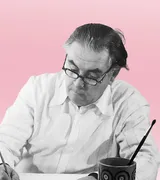
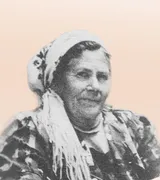
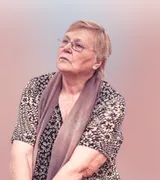
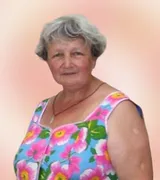
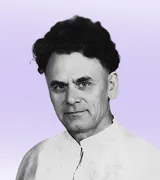
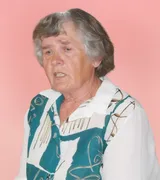
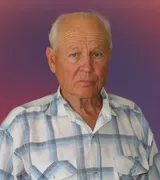
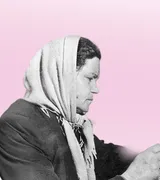
The core of the factory’s artistic team consisted of masters of the second and third generations of Petrykivka painting. Among them were Fedir Panko, Vasyl Sokolenko, Hanna Isayeva, Nadiya Tymoshenko, Yavdokha Kliupa, Zoya Kudish, and others. Later, third-generation masters joined the team — Tamara Kudish, Nina Turchyn, Vira Tezyk, Volodymyr Hlushchenko, Andriy Pikush.
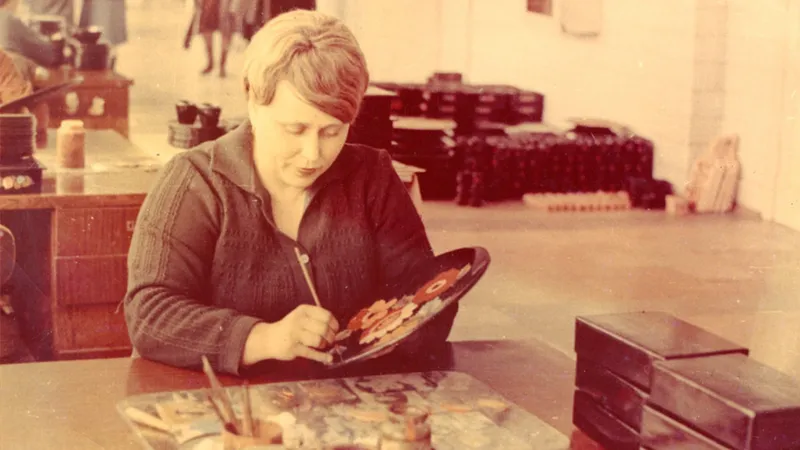
A unique creative atmosphere developed at the factory: masters worked side by side, exchanged experience, and developed new techniques and motifs. It was here that Petrykivka painting acquired the features now considered classical — painting on a black lacquered background, multilayered floral compositions, and a characteristic palette.
Production
The factory produced a wide range of decorative items: wooden plates and dishes of various sizes, boxes, caskets, panels, vases, trays, Easter eggs, and other souvenirs. Each piece was hand-painted individually by a master, which made every item unique.
The technological process included several stages: lathing the wooden blank, priming, applying a black lacquer coating, hand painting, and final lacquering. It was at the factory that the technique of under-lacquer painting was refined — a technique that became the hallmark of Petrykivka art in the second half of the 20th century.
Recognition and exhibitions
Products of the Druzhba factory were repeatedly exhibited at republican, all-union, and international exhibitions. The factory’s output became one of the symbols of Ukrainian folk art and was exported to many countries around the world. Factory masters received state awards and the title of Honored Master of Folk Art.
Decline and closure
In the 1990s, amid economic crisis and the collapse of industrial infrastructure, the factory gradually lost production volumes. In 2006, the enterprise finally ceased operations. However, the factory’s creative legacy lives on — most of its masters continued working independently and passed their experience on to the next generations. Part of the factory’s collection of works is preserved in museums and private collections.