Biography
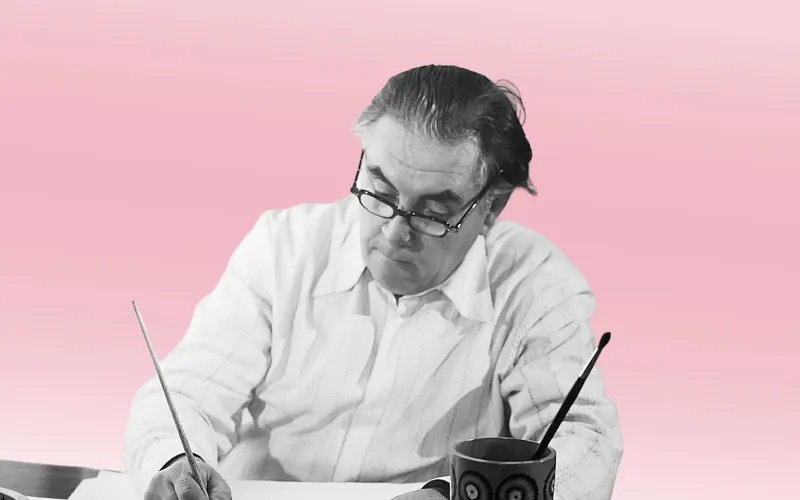
Fedir Savovych Panko was born on February 21, 1924 in Petrykivka to a peasant family. His mother and sisters were well-known embroiderers in the village - art lived in the house from the first day. In the fifth grade, his teacher Oleksandr Statyva noticed the talented boy’s drawings and encouraged him to study seriously. in 1938, Fedir entered the Petrykivka School of Decorative Drawing, where Tetiana Pata became his mentor. His studies were interrupted by the war.
After returning from the front, he worked as a surveyor for ten years, but did not give up painting. Teachers from his pre-war school supported and inspired him. The local authorities allocated an old barn for the workshop, and it was there that the revival of Petrykivka painting began. The men in the village laughed at first: “A punk is making women’s pots.” They stopped talking when the products were exported.
in 1955, he took a position as an artist at the Petrykivka House of Culture. in 1958, he united the scattered masters into a lacquer painting workshop at the Free Peasant Artel and headed the world’s first and only Petrykivka painting factory, Druzhba. At the same time, for 29 years he taught at the Petrykivka branch of the Dnipro Children’s Art School. in 1970, he founded the Experimental Workshop of Petrykivka Painting at the Dnipro Art and Production Plant. in 1990, he helped to build a new modern building for the workshop in the center of the village.
He was friends with Oles Honchar and painted illustrations for his “Flag Carriers”. He was the father of the artisans Valentyna and Vitalii Panko, who continue the family tradition.
He died on October 8, 2007 in Petrykivka. A street in Dnipro was renamed in his honor.
Artistic Practice
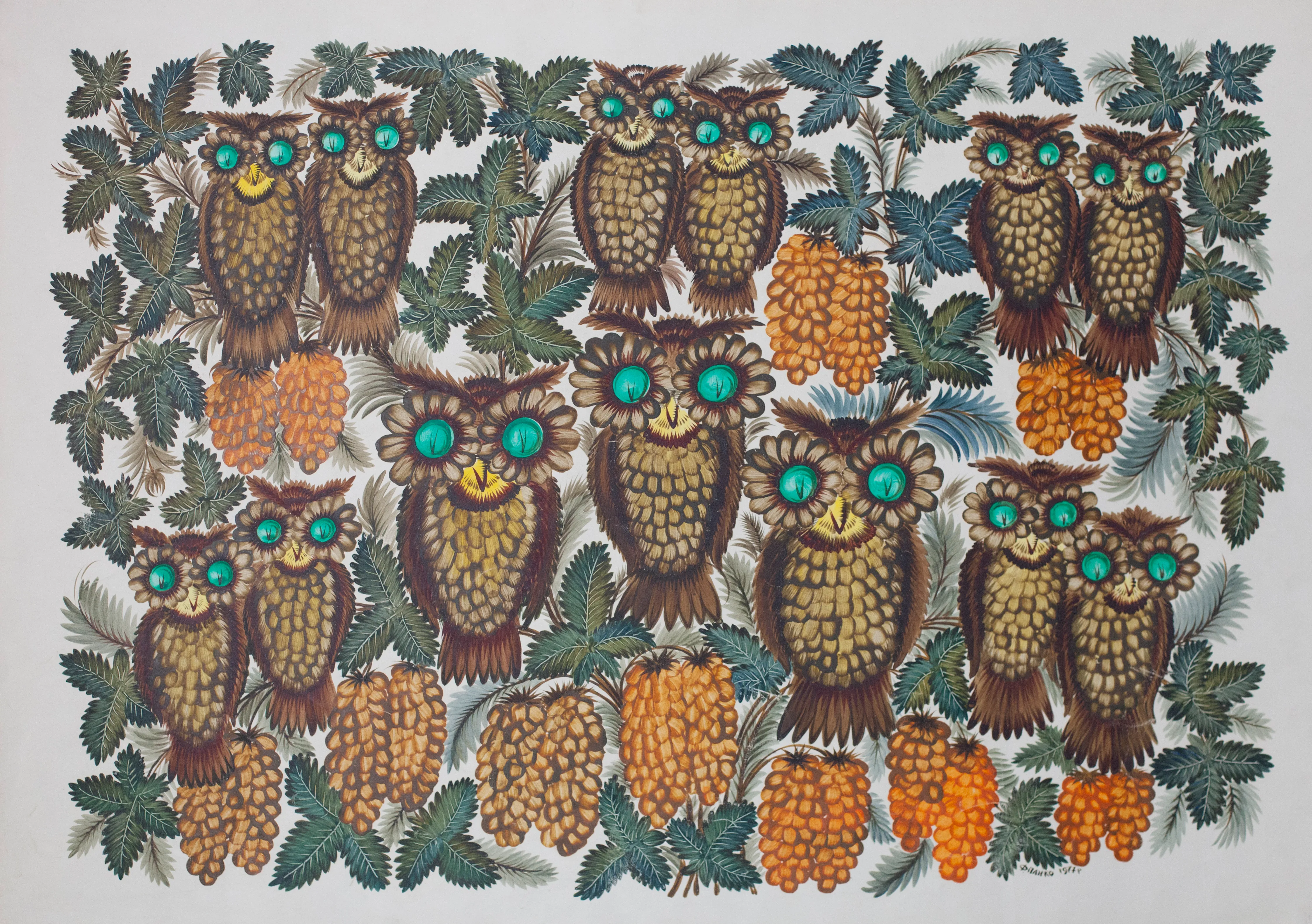
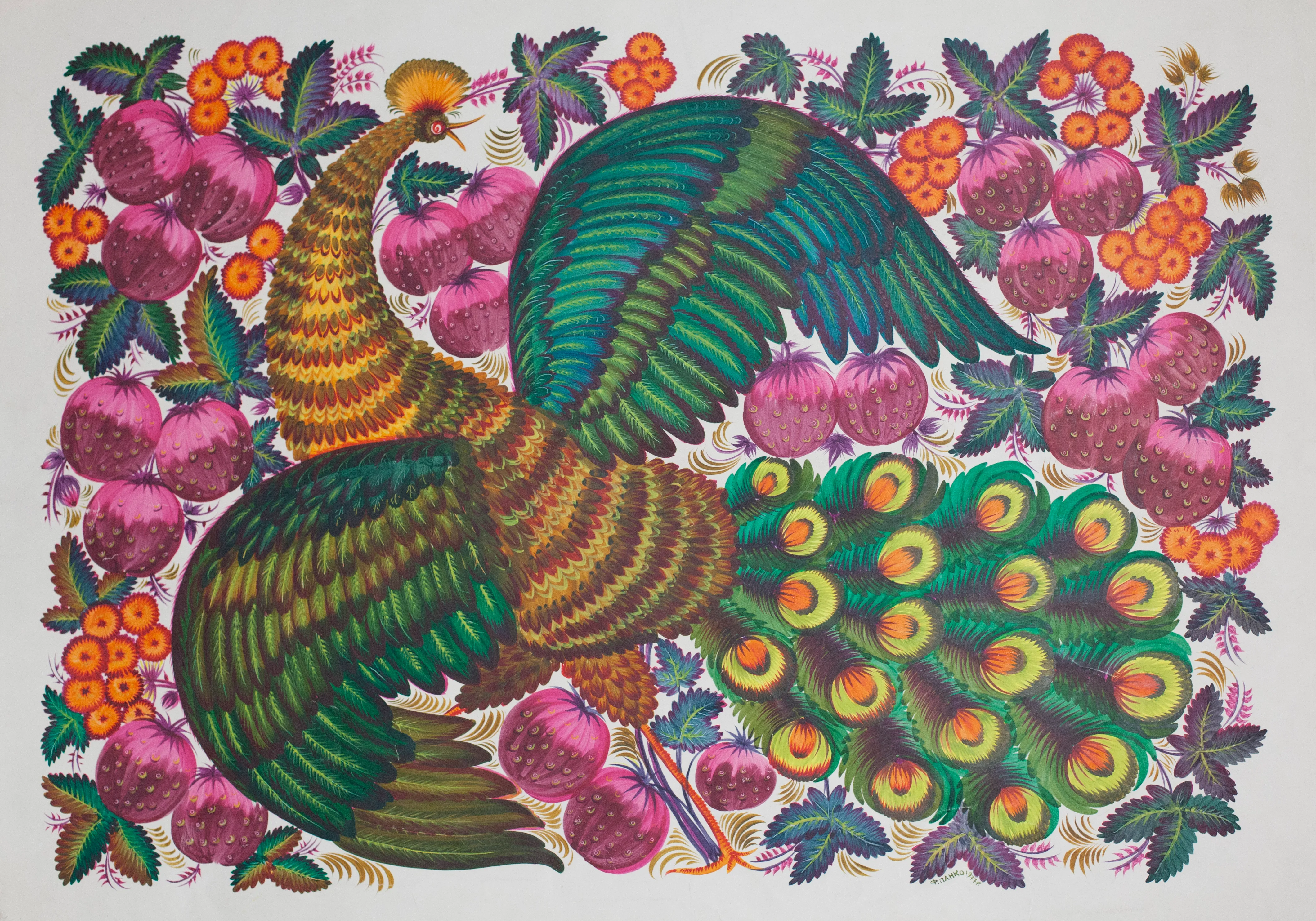
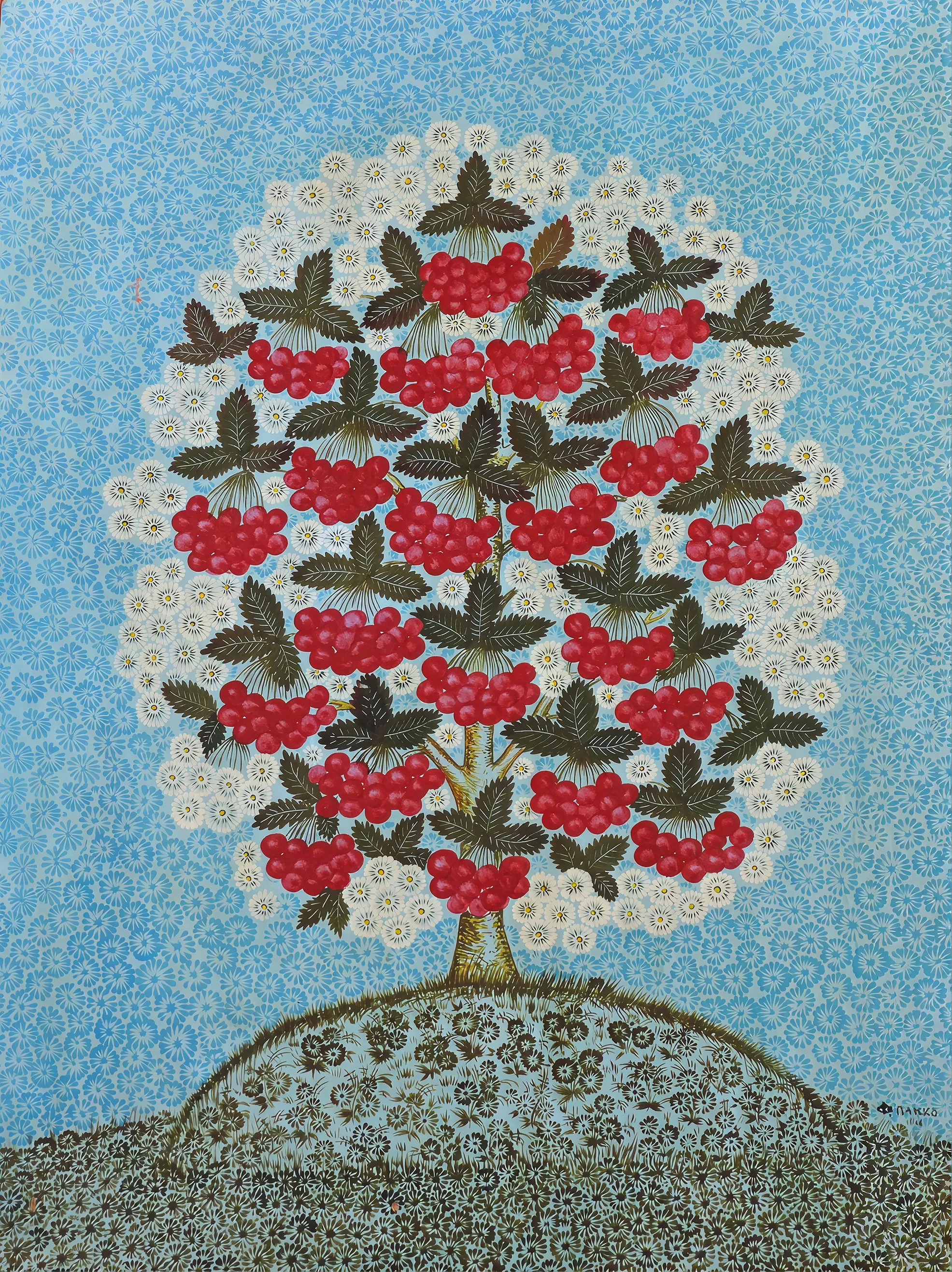
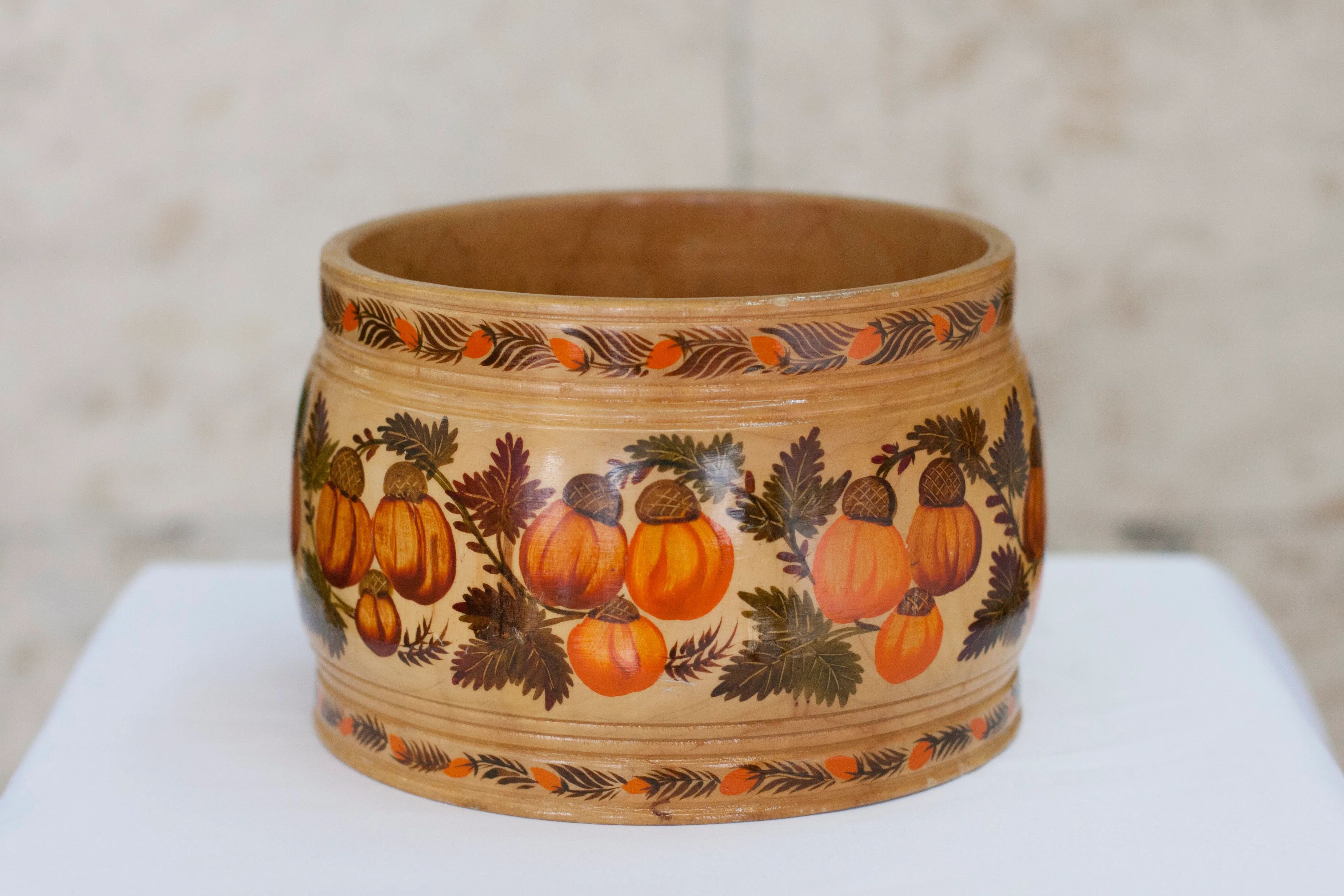
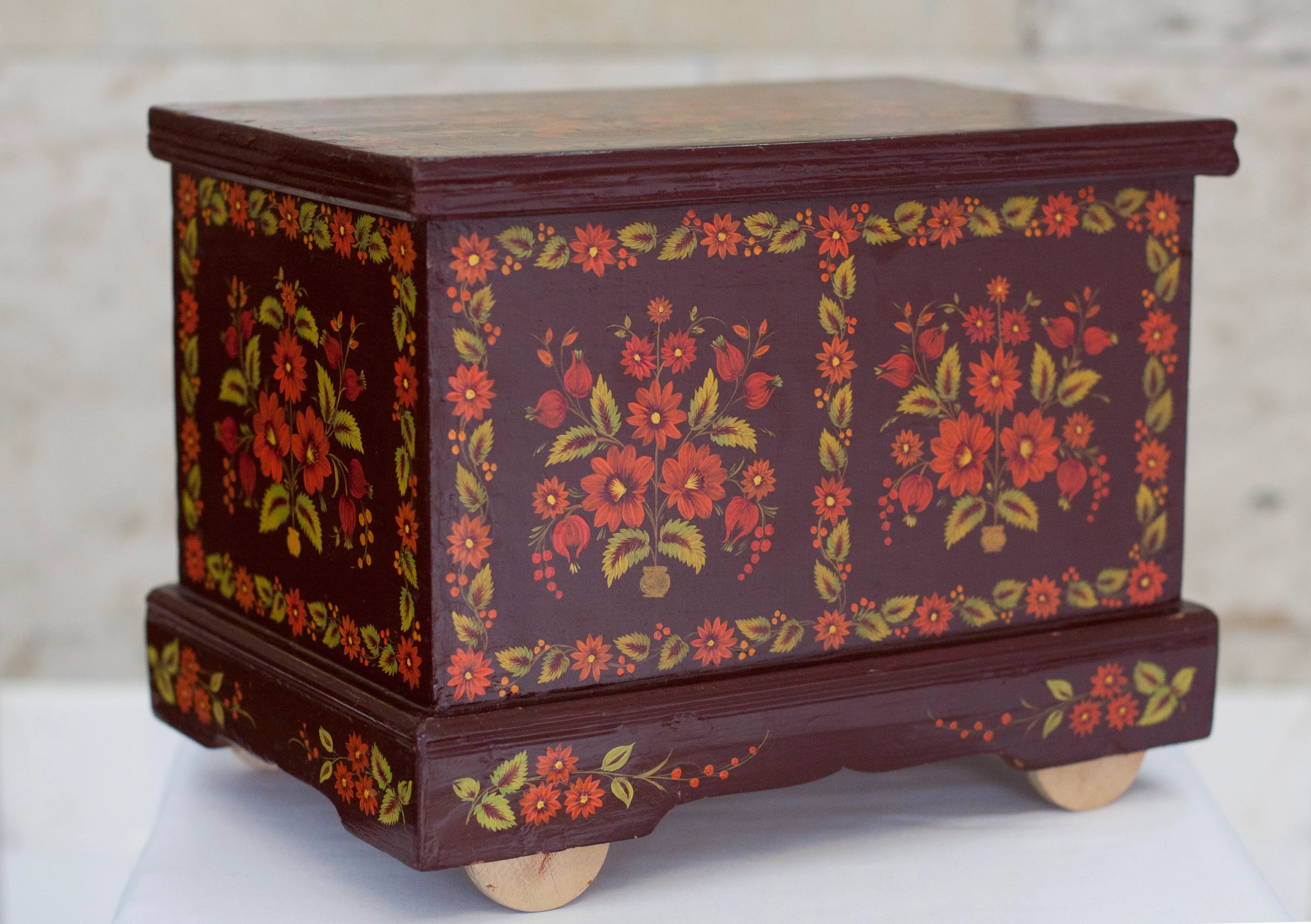
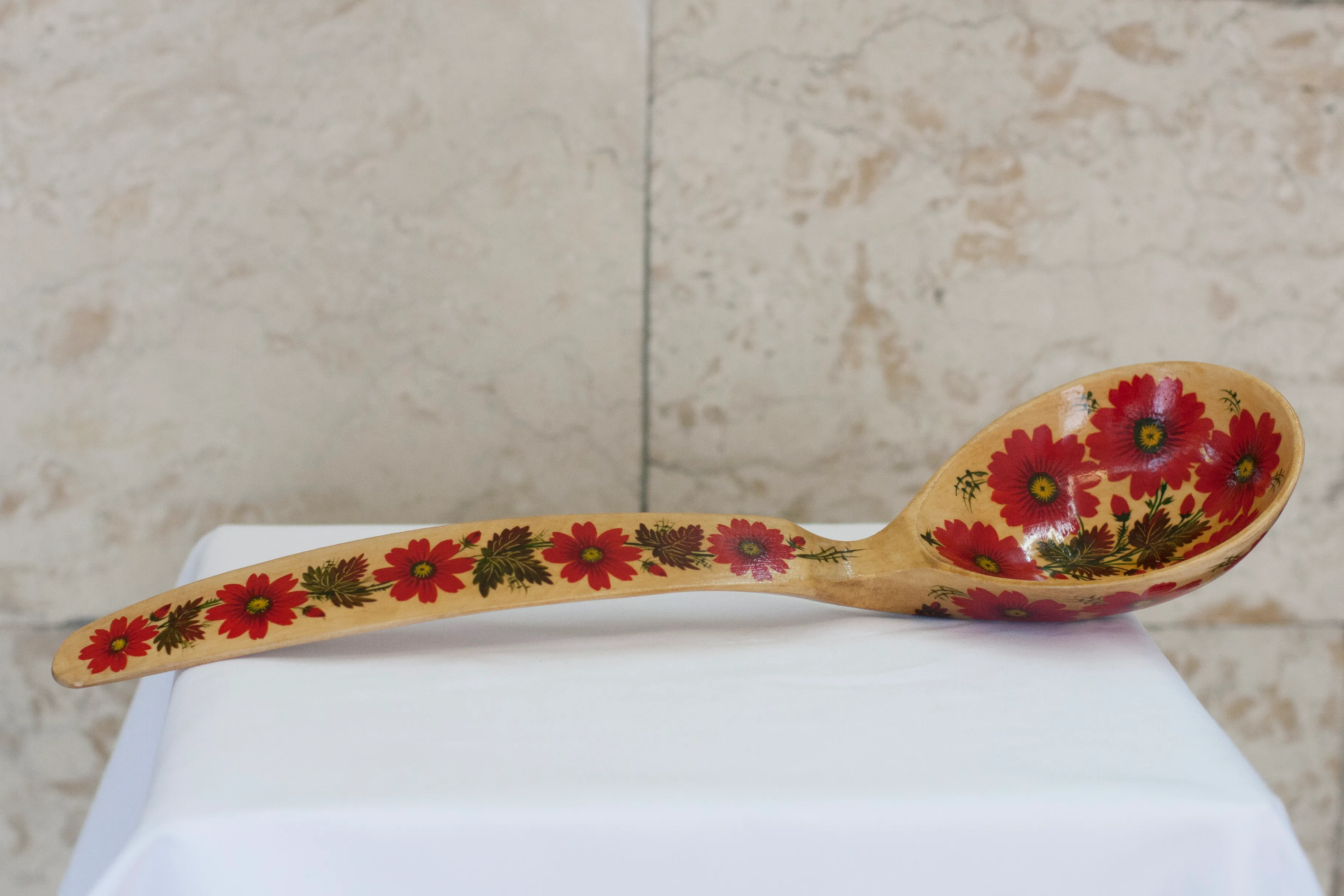
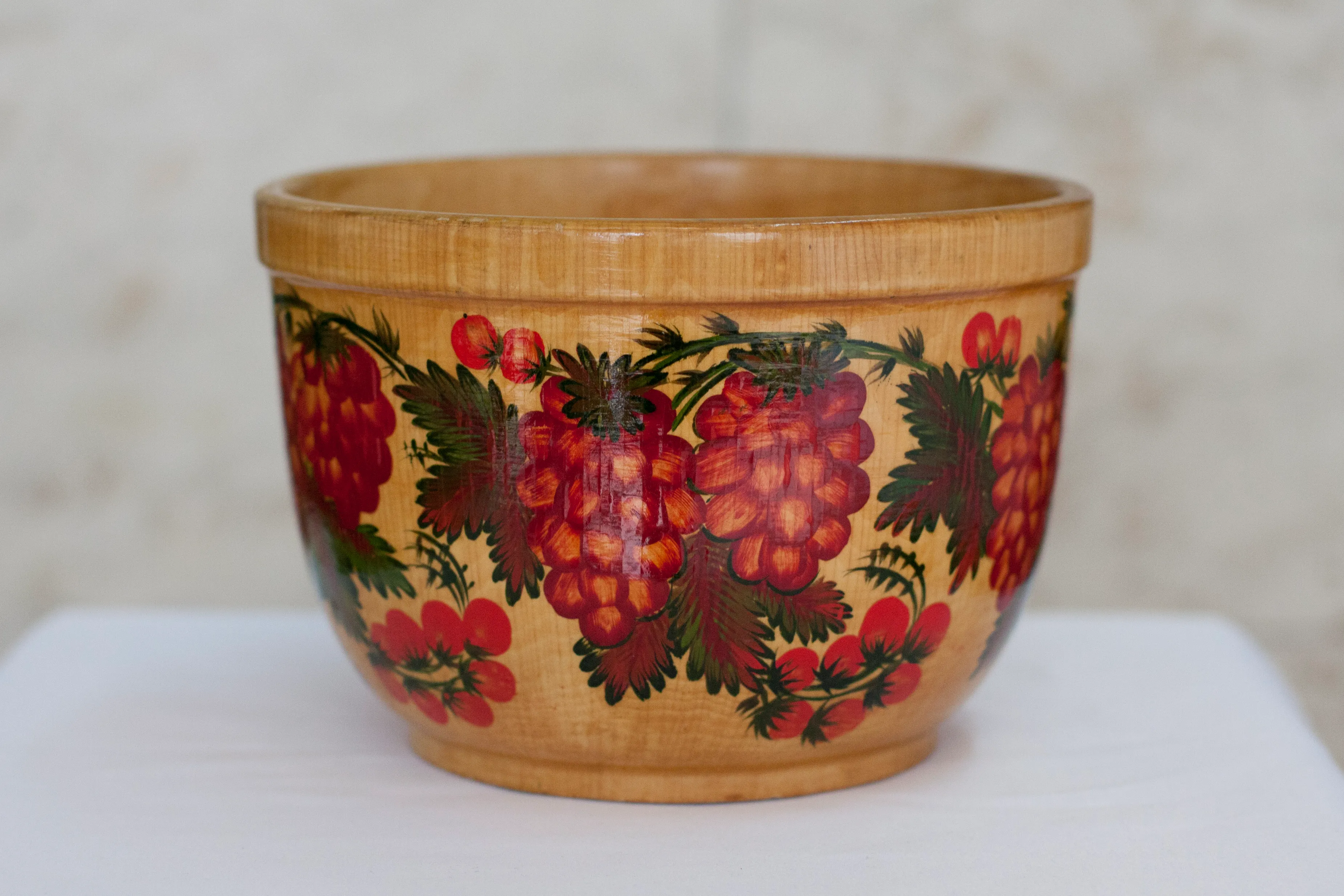
Fedir Panko is a man who helped Petrykivka painting not only survive after decades of decline, but also gain a new, much wider breath. He was the first to master new materials for Petrykivka painting: plastic, porcelain, ceramic tiles, wood, metal, and fabric. He brought wall painting in the interior back into practice. He developed new forms of wooden utensils, such as candy bowls, powder bowls, and salt shakers.
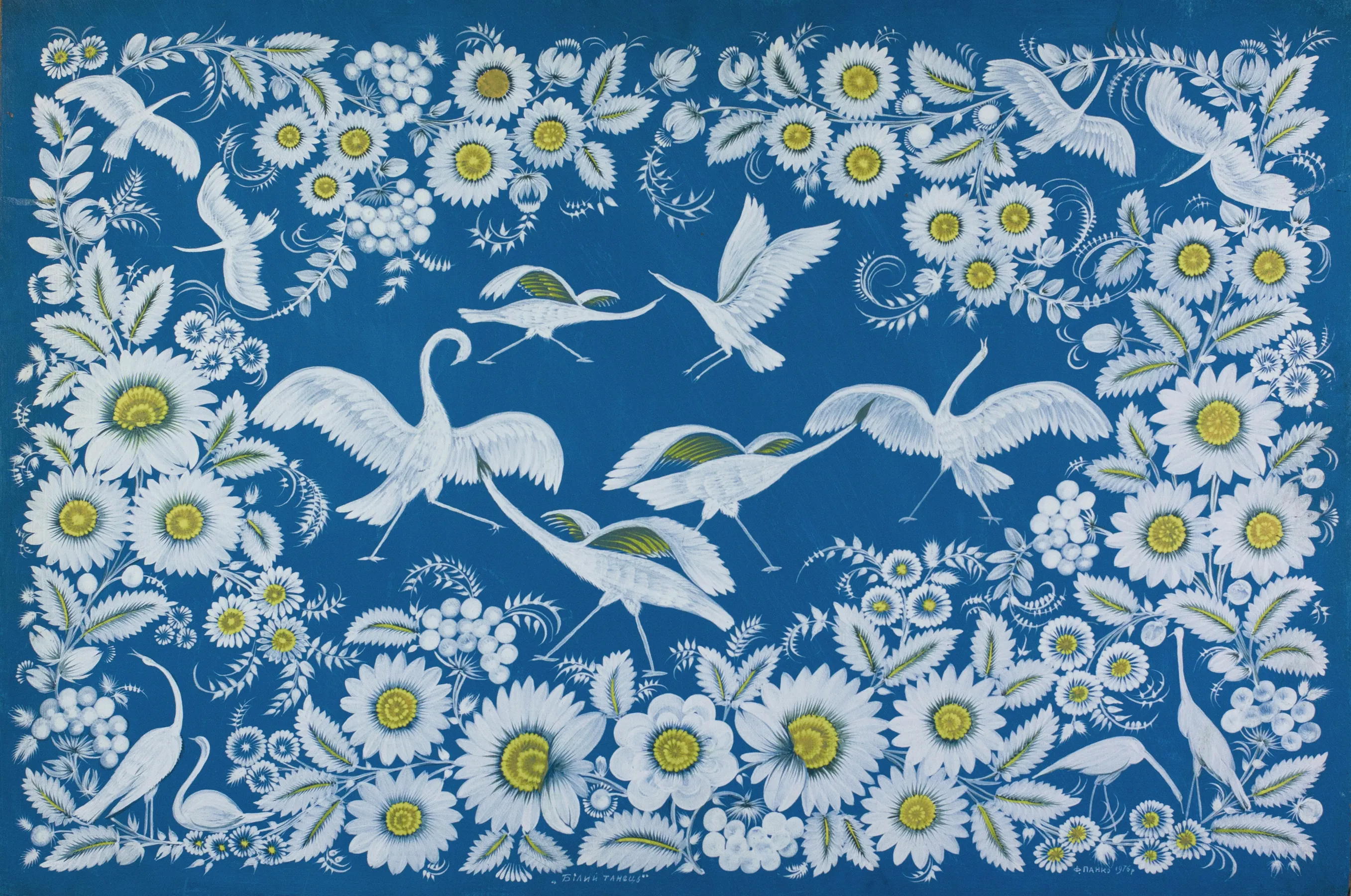
He did not limit himself to traditional motifs in his ornamentation - he introduced dandelions, sunflowers, corn, hops, ears of grain. He combined the preservation of tradition with a restless creative search: monumental forms, harmony of composition, non-standard color, symbolism and lyricism of images, and, where necessary, humor and satire.
He established the genre of portraiture in Petrykivka painting: the series “Memory of the Heart” (1983), “Talents of My Land” (1983-1984), and the portrait of Tetiana Patia on the anniversary box (1964). He was the first in Petrykivka to turn to the Cossack theme: “Cossack Mamai” (1980), “Petro Kalnyshevskyi” (1990), “Kalnysh’s Disappointing Thoughts” (1990). He developed the genre of decorative landscape and narrative composition by means of Petrykivka painting.
His works were exhibited in more than forty countries.
Recognition
Honored Master of Folk Art of Ukraine (1977). Member of the National Union of Artists of Ukraine (1958). Order of Merit III degree. Silver medal of VDNKh of the USSR (1968), gold and two bronze medals, first degree diploma of VDNKh of the USSR (1978). In 2013, Valentyna’s daughter opened the Fedir Panko Museum in Petrykivka.