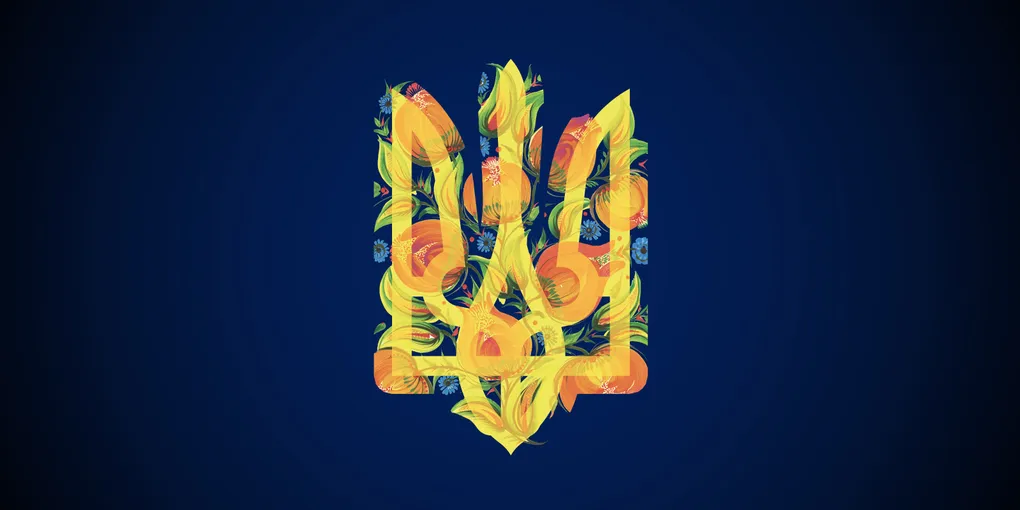
Why Petrykivka Is Unique Among World Folk Arts
Petrykivka painting is distinguished from other world folk arts through its unique combination of historical origins, specialized handmade tools, and a philosophy that strictly emphasizes positive imagery and spiritual protection.
The “Spirit of Freedom” and Historical Context
Unlike many other folk traditions that developed under feudal systems, Petrykivka originated in a region that never knew serfdom. Local artists emphasize that because the people were not enslaved, they lived a “free life,” which allowed them to express a sense of relative political and spiritual independence through their art. The village served as a “winter dwelling” for Cossacks, fostering a community of non-serf peasants with a proud sense of self-dignity and rebellion.
Unique Specialized Tools
A major factor that sets Petrykivka apart is its reliance on highly specific, self-made implements:
- The Kotyachka (cat-hair brush) — made from the hair of domestic cats, typically taken from under the paw or the neck where the hair is most elastic. This allows artists to achieve “weightless” and “airy” lines that are difficult to replicate with commercial brushes.
- Finger painting — a fundamental technique where elements like berries (specifically kalyna, the guelder rose) are created by dipping a finger in paint and leaving a print. This creates a characteristic round shape with a light center and dark edges.
- Natural foundations — historically, pigments were extracted from local flora, such as cherry juice for red or snowdrop flowers for blue, and thinned with egg yolk or milk.
A World of “Fantastic” and Positive Imagery
While many world folk arts strive for realism or depict the hardships of life, Petrykivka is unique in its focus:
- Fantastic flora and fauna. The flowers, birds, and animals in Petrykivka are imaginary and have no direct analogues in nature. This “fantasy world” includes core elements like the tsybulka (little onion) and kucheryavka (curly flower).
- Absence of sorrow. It is noted for being a “vitamin-like” art form that never depicts scenes of sorrow, negativity, or hardship. It is designed purely to be “pleasing to the eye and make souls happy.”
Functional and Symbolic Protection
Historically, Petrykivka was not merely decorative but functional. It was used to protect the home and family:
- Spiritual talisman. In folk belief, these paintings were applied to the walls of houses, household items and instruments to protect people from sorrow and evil.
- Symbolic language. Each element carries deep meaning: the rooster stands for spiritual awakening and the rebirth of the soul, while birds represent light and harmony. The bihunets (runner), a rhythmic floral frame, symbolizes eternity and the cycles of life and death.
Global Recognition and Resilience
In 2013, Petrykivka was the first cultural phenomenon from Ukraine to be inscribed on the UNESCO Representative List of the Intangible Cultural Heritage of Humanity. It has shown remarkable resilience, surviving Soviet attempts to industrialize it and replace its traditional white background with black (inspired by Russian Khokhloma styles), only to be reclaimed by modern masters as an inherently Ukrainian expression of national identity.